In 1842, Birmingham’s city centre was a far cry from the bustling commercial hub it is today. A government report from that year laid bare the harsh conditions of the city’s slums, describing overcrowded courts and decaying buildings that bred poverty and disease. These areas, often referred to as “evil” courts, were characterized by narrow alleyways, inadequate sanitation, and cramped living quarters that trapped generations in squalor.
The report’s stark depiction galvanized efforts to improve public health and housing in the city. Over the following decades, many of these streets and courts were completely demolished, making way for more sanitary and spacious developments. The transformation was monumental, erasing entire neighborhoods once notorious for their filth and crime.
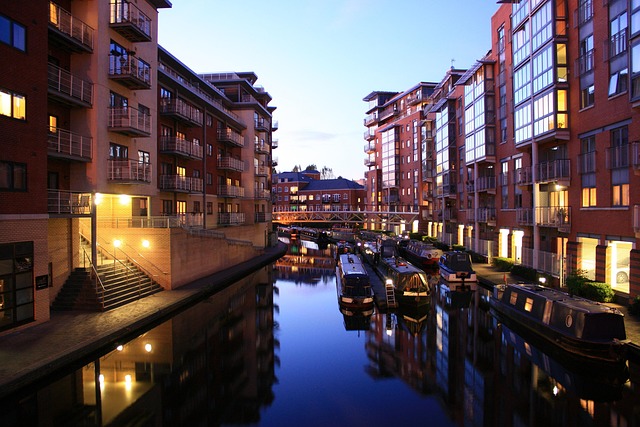
Though Birmingham’s Victorian city centre was once overshadowed by these bleak conditions, the city’s commitment to redevelopment and modernization eventually led to the vibrant urban landscape seen today. This dark chapter remains a powerful reminder of the struggles faced during the city’s rapid industrial expansion and the human cost buried beneath its progress.