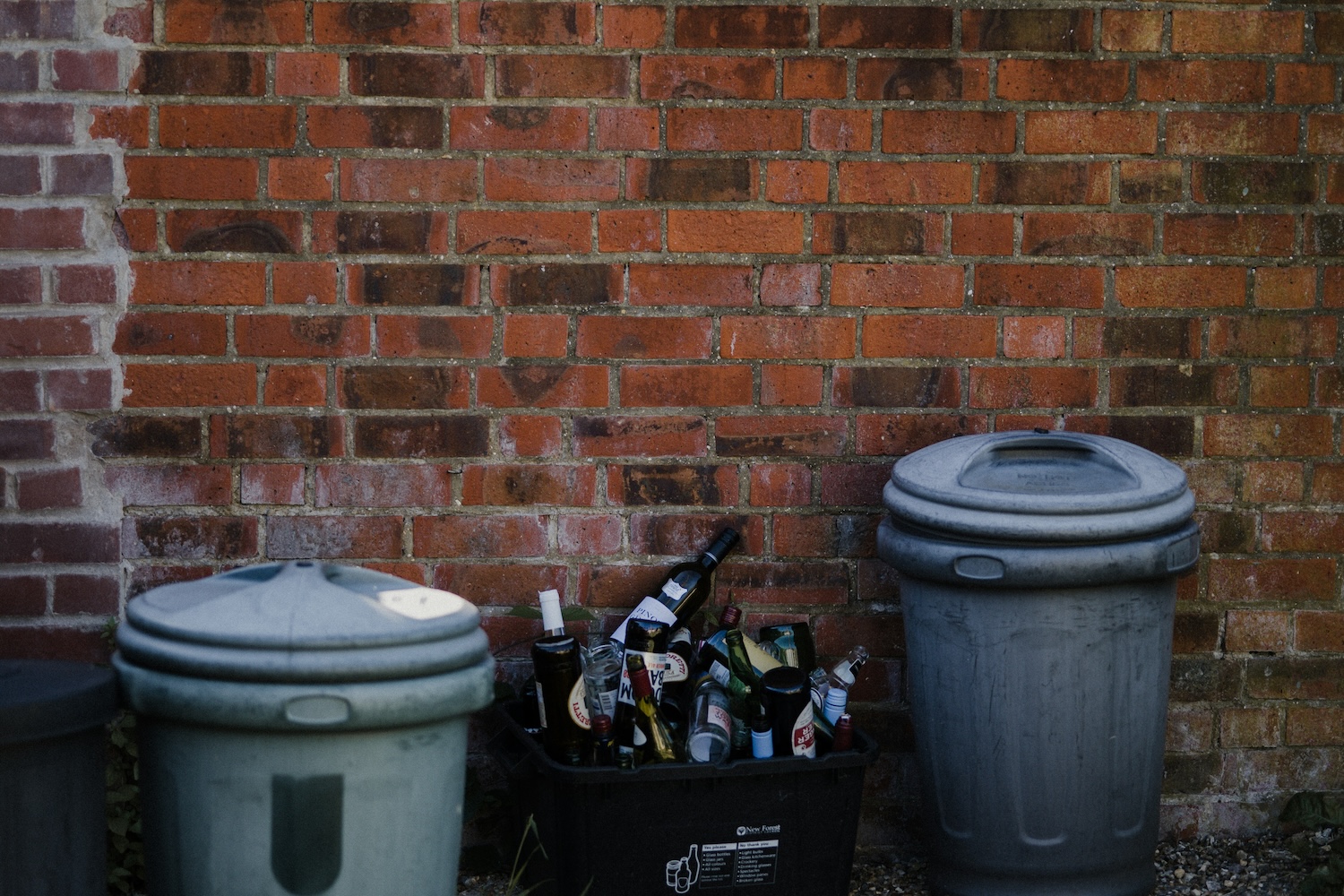
A senior Solihull councillor has confirmed that the shift to fortnightly bin collections, coming into effect this autumn, will remain in place despite dissatisfaction from some residents.
Councillor Ken Hawkins, cabinet portfolio holder for environment and infrastructure, addressed concerns regarding these major changes, which also include the introduction of a weekly food waste collection service.
Between August and September, households with their own bins or sacks will receive two new caddies: a 7-litre kitchen caddy and a 23-litre lockable outdoor caddy. Starting October 5, food waste such as plate scrapings, peelings, and tea bags should be placed in the kitchen caddy. Once full, this waste is transferred to the outdoor caddy for collection.
The collected food waste will be processed into renewable energy and fertilizer for local farms, supporting sustainable waste management in the area.
The council states that due to the reduction in food waste going into general bins, most households will now have rubbish collected every two weeks instead of weekly.
During the full council meeting on July 7, Councillor Paul Goldingay expressed concerns that residents, including himself, may struggle to manage their general waste within the smaller bin capacity, questioning whether a trial period or the option to revert to weekly collections would be possible.
Councillor Hawkins firmly rejected these ideas, emphasizing that on average, 72% of the contents in weekly waste bins are recyclable. He stated there would be no reversal of the fortnightly collection plan.
Councillor Goldingay highlighted that Coventry residents have a larger 240-litre general waste bin compared to Solihull’s 140-litre bins, suggesting larger bins could be an alternative.
Hawkins responded that simply providing larger bins could undermine recycling efforts and reiterated the need for encouraging more recycling rather than increasing bin size.
Questions were also raised by Councillor Alan Wigley about the risk of increased fly-tipping and the arrangements for flats, houses in multiple occupation (HMOs), and properties unsuitable for standard bins.
Hawkins explained that the new collection procedures mainly affect houses and flats with existing bins, while most flats will not receive food waste collections until 2027. He added that targeted communication and visits to areas prone to side waste will help residents recycle more effectively.
These changes are part of the government’s ‘Simpler Recycling’ scheme, aimed at standardizing and simplifying recycling services across England.