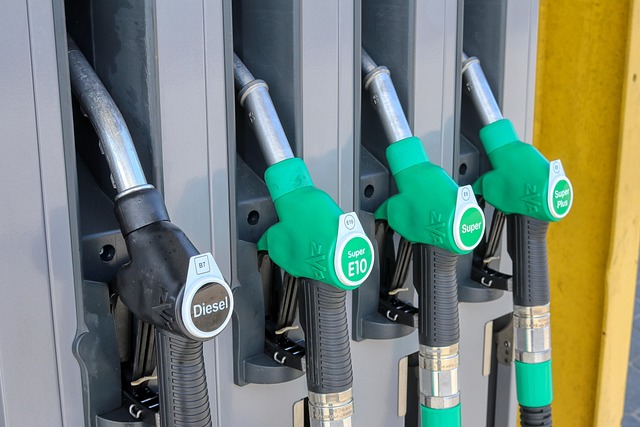
Labour Party leader Sir Keir Starmer has unveiled key measures aimed at easing financial pressures for drivers and businesses amid rising fuel costs. Speaking in the Commons, Starmer confirmed the extension of a temporary 5p fuel duty cut and introduced a 12-month vehicle tax break specifically for the haulage sector.
Responding to concerns about the cost-of-living crisis raised by Labour MP Kirsteen Sullivan, Starmer emphasized the government’s commitment to support drivers and hauliers. “We are extending the freeze on fuel duty for the remainder of the year and providing hauliers with a 12-month vehicle tax holiday,” he stated. “These steps are critical for keeping prices down.”
The Chancellor reinforced this announcement by revealing that hauliers will benefit from a road tax renewal fee of just £1 for a full year. This relief could save operators of typical heavy goods vehicles around £600, while the largest lorries could save up to £912, representing significant financial support for an industry grappling with high running costs.
READ MORE: Free Bus Pass Eligibility Extended to Children Under 16 in England
READ MORE: Voluntary Price Cap Proposal on Food Staples by UK Supermarkets Cancelled
Starmer also addressed concerns about the impact of global events on fuel prices, noting that the recent surge was linked to the US-Israeli attack on Iran. “This is not our war,” he asserted, contrasting Labour’s stance with opposition parties advocating military involvement. Instead, Labour’s priority remains protecting working people from economic fallout.
Importantly, the temporary tax relief for hauliers is expected to benefit the wider economy by ensuring smoother supply chains, particularly in sensitive sectors like poultry farming, which has faced increased costs related to specialist bird movements.
Economic analysis from Isaac Delestre, Senior Research Economist at the Institute for Fiscal Studies, highlighted the fiscal implications of these measures. The original 5p fuel duty cut, introduced in March 2022, was planned as a one-year relief but has been extended multiple times. The government’s recent announcement delays scheduled fuel duty increases until January 2027, costing the Treasury around £200 million.
Delestre noted that maintaining the full 5p cut long-term could cost the public purse approximately £2.3 billion annually by 2029-30. Alongside the fuel duty cuts and vehicle tax holiday, there is also a temporary reduction of one-third in fuel duty for red diesel users, costing about £60 million.
While these emergency support measures are temporary and targeted—principles critical to effective relief efforts—there may be growing pressure on the government to prolong them to sustain assistance for households and businesses most vulnerable to escalating fuel prices. However, Delestre cautioned that such subsidies may inadvertently reduce incentives for fuel conservation, highlighting a delicate balance for policymakers.