Ian Huntley, infamous for the brutal murders of two young girls in Soham, died last Saturday after suffering catastrophic head injuries in a violent prison attack. Severely brain damaged and in a vegetative state following the assault—a savage beating reportedly delivered with a metal pole by a fellow inmate—Huntley was placed in a medically induced coma before life support was withdrawn.
Despite the severity of his condition, even his own family has distanced themselves from the convicted killer. Huntley’s mother, Lynda Richards, who was at his bedside until his passing, reportedly could barely recognize him due to the extent of his injuries and accepted that his death was for the best. Meanwhile, his daughter Samantha Bryan has expressed relief and disdain, declaring she does not want a funeral and suggesting his ashes should be disposed of without ceremony.
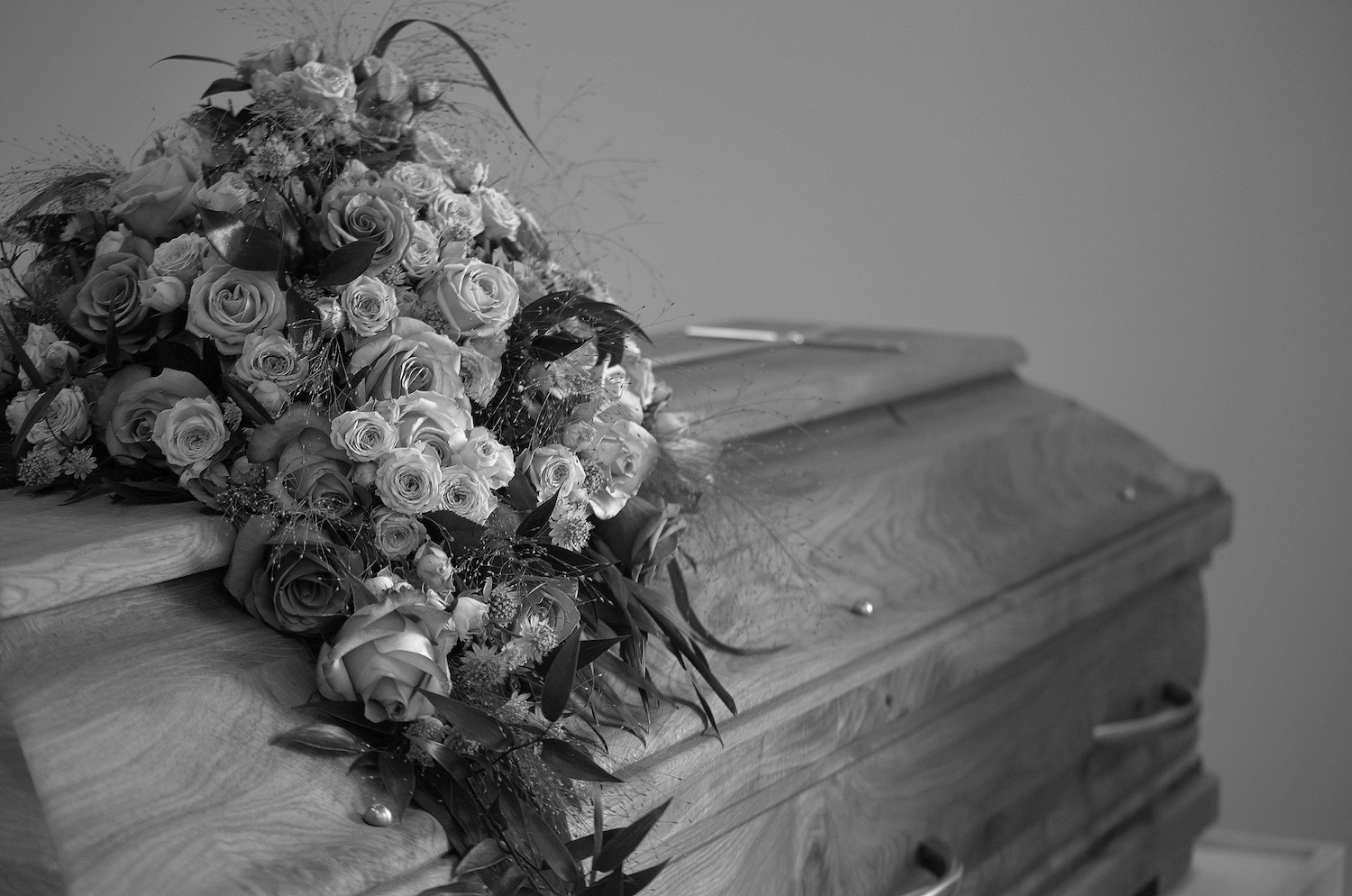
The controversy extends beyond grief and family estrangement to the practical issue of Huntley’s funeral arrangements. With no family willing to claim his body, responsibility has fallen to prison authorities and local health services, who are expected to fund a modest cremation at an estimated cost of £3,000. Ministry of Justice guidelines stipulate that prisons may cover reasonable funeral expenses when no next of kin claim the deceased, and this is precisely the scenario unfolding in Huntley’s case.
READ MORE: Morrisons Upgrades Self-Service and Manned Checkouts Across UK Stores
Legal experts note that if a prisoner does not have a will or an appointed representative to arrange post-mortem matters, the body defaults to the care of public authorities. Given Huntley’s isolation and fractured family ties, an unclaimed, unpublicized cremation is anticipated to avoid public attention or disturbance.
The grief and anger left in the wake of Huntley’s crimes continue to shape family perspectives. Samantha’s mother, Katie, who escaped Huntley’s violence, alongside Samantha herself, have both rejected any form of memorial, motivated by the horrific nature of his past and their desire to prevent any perceived glorification. Additionally, the notorious circumstances of Huntley’s death have sparked discussions about likely security concerns if any public funeral were held, suggesting any proceedings would be conducted with heavy privacy and discretion.
Huntley’s final days underscore the brutal realities of prison life where sentences may be served alongside lethal threats from other inmates, as well as the complex afterlife of justice for those whose crimes sear the public conscience. His death from violence behind bars brings a grim closure with little mourning, reflecting the enduring pain inflicted on the victims’ families and the wider community.