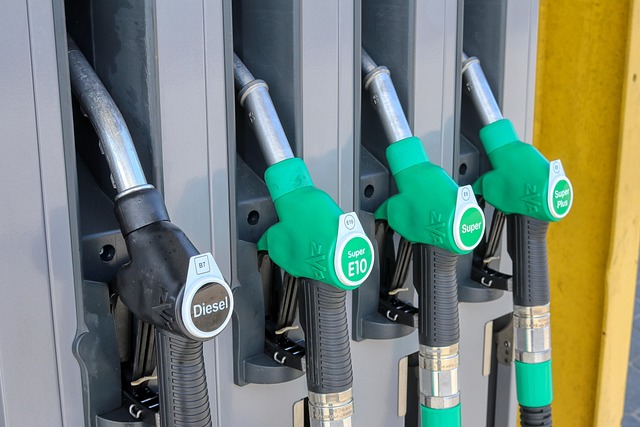
UK drivers are set to experience notable changes at the petrol and diesel pumps under the new Labour government. Chancellor Rachel Reeves has announced that the fuel duty freeze will continue, but only for a limited period of five months, ending in September 2026. Alongside this, a new electric vehicle (EV) mileage charge will be introduced starting in 2028, signaling a shift in road tax policies.
Howard Cox, founder of FairFuelUK, expressed relief over the extension of the 5p-per-litre fuel duty cut, which has now been frozen for an additional ten months. Cox emphasized that lower fuel taxes traditionally promote economic growth, reduce inflation, boost consumer spending, and create jobs. However, he warned that the upcoming 3p-per-mile charge on EVs could mark the beginning of increased taxation for all motorists, regardless of fuel type, and pledged continued advocacy for lower road user taxes.
The new charge will impose an additional excise duty on fully electric vehicles at a rate of 3p per mile, while plug-in hybrids will pay 1.5p per mile. This will be collected alongside the existing Vehicle Excise Duty (VED). Reeves highlighted that the revenue from this charge aims to double road maintenance funding in England during the current parliamentary term. Although the government plans to speed up the deployment of public EV charging infrastructure and offer business rate exemptions, it has chosen not to reduce VAT on public charging, which remains higher than domestic electricity rates.
Financially, the EV mileage charge is projected to generate £1.1 billion in 2028-29 and increase to £1.9 billion by 2030-31. Importantly, electric vans, buses, and heavy goods vehicles (HGVs) will be exempt from this charge.
Industry voices have voiced concerns about the impact of phasing out the fuel duty cut. Iain Read of Carwow noted that removing the 5p relief will strain drivers already coping with rising living costs, forcing many commuters, families, and rural motorists to reconsider their travel habits and budget for vehicle expenses. Meanwhile, Steve Walker from AutoExpress welcomed the short-term extension of the duty freeze but stressed that fuel duty is set to rise annually once the freeze ends, gradually eliminating the current relief.
Overall, UK motorists are facing a mixed landscape: a brief reprieve on fuel duty followed by gradual increases, and new charges targeting electric vehicle users to fund road maintenance, reflecting a government focus on sustainable transport funding and infrastructure.