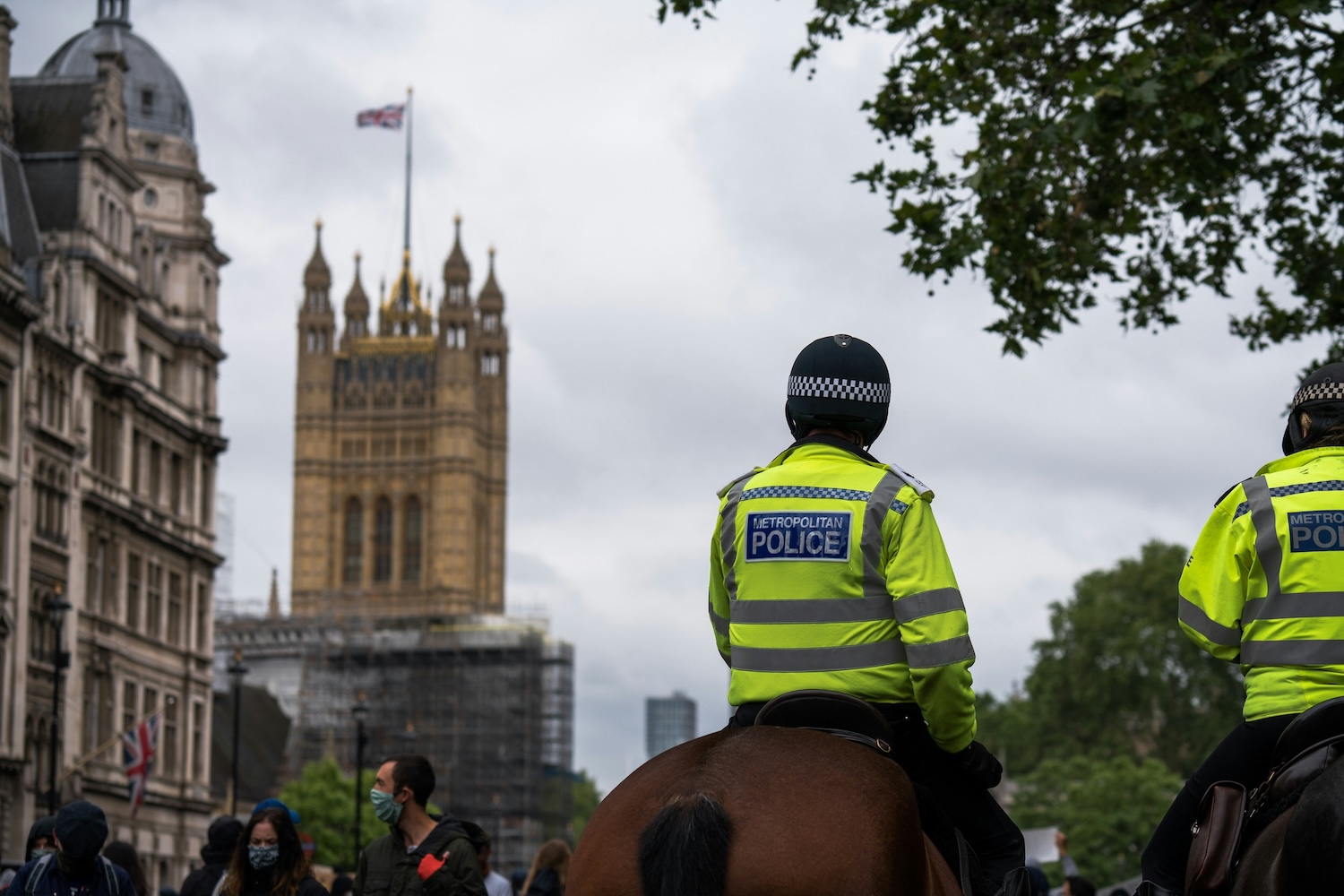
Lawrence Barton, director of Birmingham Pride, today praised West Midlands Police’s acting Chief Constable Scott Green for issuing a heartfelt apology to the LGBTQ+ community for decades of discrimination and persecution by police officers. Barton described the apology as a critical and courageous acknowledgment of historic wrongs inflicted upon gay, bisexual, lesbian, and transgender people.
Despite this significant gesture, Barton admitted that he still experiences apprehension when holding his husband’s hand in public, unsure if they might be targeted by homophobic abuse or violence. “True equality still feels a long way off,” he said.
Green’s public apology, released in a detailed letter, recognized how laws were historically weaponized against LGBTQ+ individuals, particularly gay and bisexual men, causing lasting harm and forcing many to hide their identities and relationships in fear of arrest and imprisonment. “This was completely wrong, and for this, I would like to extend a sincere apology,” Green wrote.
READ MORE: Birmingham Bullring’s Iconic Costa Coffee Boarded Up as Refresh Begins
Barton, 52, who has campaigned for this apology for years, expressed deep emotion over the chief’s acknowledgment. “It took courage for West Midlands Police to finally recognize the brutality the LGBT community endured at their hands,” he said. He emphasized that while this step cannot erase past trauma, it sends a powerful message of accountability and hope after decades of struggle.
Yet, Barton highlighted that homophobia remains a pervasive issue in Birmingham and across the West Midlands, with rising hate crimes and societal prejudice continuing to cast a long shadow. Although legal equality for LGBTQ+ people exists in the UK, genuine acceptance and safety are not guaranteed.
Two previous West Midlands Police chief constables, Sir Dave Thompson and Craig Guildford, declined to issue similar apologies, making Green’s decision especially noteworthy. Barton recalled his own experience growing up gay between the 1970s and 2003—a time when homosexuality was criminalized and institutional discrimination was rampant.
Before 2003, laws criminalized gay relationships and actions, unequal ages of consent persisted, and policies like Section 28 banned LGBTQ+ education in schools. Thousands of men were arrested under laws outlawing “gross indecency,” and openly LGBTQ+ people faced dismissal from jobs and exclusion from military service.
“When I came out at 18, I and my partner were breaking the law due to discriminatory age of consent laws,” Barton said. “Police officers actively entrapped gay men, destroying lives. Many still carry the trauma from those dark decades.”
Despite legal advancements, Barton pointed out that legal rights do not ensure social acceptance or safety. Holding hands with his husband in Birmingham still provokes fear. “Equality is not just about marriage rights; it is about the freedom to love openly without threat,” he said, acknowledging much work remains.
He also reminded that worldwide, LGBTQ+ persecution is rampant, with many Commonwealth nations imposing harsh penalties—including imprisonment and death—for same-sex relationships. Recent local elections saw homosexuality unfairly weaponized in political attacks, underscoring ongoing prejudice and the needed work of the Pride movement.
West Midlands Police and Crime Commissioner Simon Foster welcomed the apology, calling it a necessary step for rebuilding trust and accountability. “For too long, LGBTQ+ people were let down by policing,” he said. “Acknowledging these injustices openly is crucial for moving forward and strengthening relationships with all communities.”
Foster emphasized that real progress requires confronting difficult histories honestly and fostering openness and learning within policing.